
Secure Fax: Comprehensive Tips, Best Practices, Compliance Guidelines
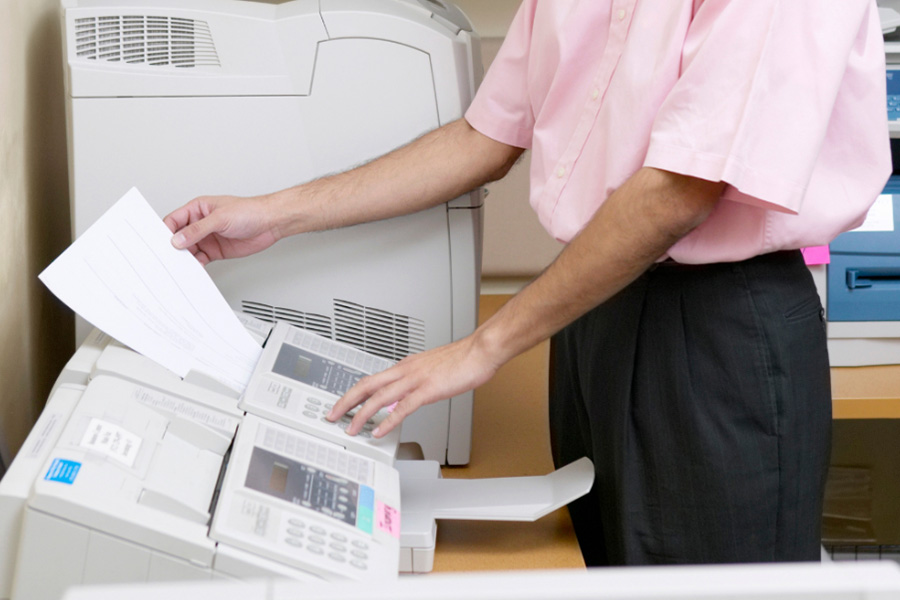
Safe faxing is still very important today, especially in industries like healthcare, finance, and legal work where private information is always being shared. Even with modern tools like email and messaging apps, faxing is still used because many laws and rules still require it. A strong focus on secure fax delivery helps make sure that sensitive documents reach the right person safely and are not seen or taken by others. Without proper care, faxed information can be exposed or sent to the wrong place, which can lead to serious problems for a business or organization.
This guide will explain why safe faxing still matters, what risks can happen when faxing is not done properly, and simple steps you can follow to improve safety. It will also talk about how online fax services can help make faxing easier, faster, and more secure for everyday use.
Understanding Safe Faxing and Its Risks
Why Faxing Still Matters Today
Faxing is still widely used in many workplaces because it is trusted for sending official and important documents. In fields like hospitals, banks, and law offices, faxing is often part of daily work because it is accepted as a legal way to send information. Many organizations also continue using fax because it is simple, does not always depend on modern internet systems, and works even in places where other tools may fail or be blocked.
Even though technology has improved a lot, faxing has not disappeared. Instead, it has changed and adapted. Many businesses now use digital fax systems, but the main idea remains the same: sending documents quickly and in a way that is accepted by law and industry rules.
What Makes Faxed Data Sensitive
Faxed documents are often very private and contain important personal or business details. These may include medical records, financial statements, legal agreements, or personal identification numbers. Because of this, faxed information must always be handled with care.
If this kind of data is seen by the wrong person, it can lead to privacy problems, identity theft, or legal issues. This is why organizations must treat every fax as something important and make sure it is sent and received in a safe way. Protecting this information also helps build trust between companies, clients, and patients.
Common Risks in Faxing
1. Wrong Number Errors
One of the most common problems in faxing is sending a document to the wrong number. Even a small typing mistake can send private information to someone who should not see it. This can cause serious privacy issues and may even lead to rule violations.
2. Unauthorized Access
In many offices, fax machines are placed in shared areas where many people can walk by. If printed faxes are left on the machine, someone may pick them up by accident or on purpose. This creates a risk of private information being exposed.
3. Old Equipment Problems
Older fax machines and phone lines do not have strong security features. This means that data sent through them may not be well protected. In some cases, information can be intercepted or lost without anyone noticing.
4. Missing Records
Some organizations do not properly store fax records or confirmation reports. Without these records, it becomes hard to prove that a document was sent or received. This can cause problems during audits or compliance checks.
What Is Online Faxing?
Online faxing is a modern way of sending and receiving fax documents using the internet instead of a physical fax machine. With this method, users can send files from a computer, email, or even a mobile phone. It removes the need for paper, phone lines, and bulky machines.
This system is helpful because it saves time, reduces costs, and makes faxing easier to manage. It also allows users to send documents from anywhere, which is useful for people who work from home or travel often. At the same time, it still follows the same legal rules as traditional faxing, making it safe for business use.
Key Features of a Good Online Fax Service
A good online fax service should be easy to use and safe for handling private documents. One of the most important features is strong security, which protects files while they are being sent and stored. This helps prevent hackers or unauthorized users from accessing sensitive information.
Another important feature is a simple and clear design. Users should be able to send and receive faxes without confusion or complicated steps. The service should also support multiple users so that different departments or teams can use it without problems.
It is also helpful if the fax service can connect with other tools like email systems or business apps. This makes work faster and helps avoid mistakes. Lastly, the service should support compliance rules so that companies can follow legal requirements without extra effort.
Best Practices for Secure and Reliable Faxing
Safe Use of Traditional Fax Machines
Control Access to Machines
Fax machines should be placed in secure areas where only authorized staff can use them. They should not be left in open spaces like hallways or reception areas. This helps reduce the chance of someone seeing or taking private documents by mistake.
Double-Check Fax Numbers
Before sending any fax, it is important to carefully check the fax number. A small mistake can send sensitive information to the wrong person. Some workplaces use a second staff member to confirm the number before sending to reduce errors.
Use Cover Sheets
A cover sheet should always be added when sending a fax. This page shows who the sender is, who the document is for, and includes a note about privacy. It also helps the receiver know how to handle the document properly.
Dispose of Documents Properly
Any extra or unwanted fax pages should be destroyed using a shredder. They should not be thrown into regular trash bins. This helps make sure that no private information is exposed after use.
Secure Cloud Faxing Practices
Use Strong Login Protection
Online fax accounts should always be protected with strong passwords. It is also better to use extra security steps like multi-factor login, where users must confirm their identity in more than one way.
Limit User Permissions
Not every employee needs access to send faxes to external contacts. Limiting access helps reduce mistakes and protects sensitive data from being shared by accident.
Keep Activity Logs
Cloud fax systems often keep records of all activity, such as when a fax was sent or received. These logs are useful for checking errors, tracking activity, and meeting compliance rules.
Use Automated Workflows
Some systems can automatically send faxes to the right department or email inbox. This reduces manual work and lowers the chance of human error when handling documents.
Security and Compliance Basics
Many industries must follow strict rules to protect private information. These rules often require that documents are encrypted, stored safely, and kept for a certain amount of time. Companies must also make sure that only authorized people can access sensitive files.
Following these rules is important because it helps avoid legal problems and protects customer trust. It also shows that the organization takes data safety seriously and follows proper standards.
Common Fax Problems and Simple Fixes
Busy Signals or Failed Sends
Sometimes fax attempts fail because the line is busy. In these cases, it is best to try again later or use online fax systems that automatically retry sending until it goes through.
Poor Image Quality
If a fax looks unclear, it may be because of old machines or low-quality scanning. Cleaning the machine or using clear digital files like PDF can help improve quality.
Wrong Delivery
If a fax is sent to the wrong person, it is important to act quickly. The sender should contact the receiver and ask them to delete the document immediately and report the issue to the proper office.
How Cloud Fax Services Improve Security (Example: Documo)
Modern cloud fax services like Documo help make faxing safer and easier to manage. They protect documents using strong encryption so that files cannot be easily accessed by outsiders. They also use secure login systems to make sure only trusted users can enter the account.
These systems also keep detailed records of every fax sent or received, which helps with tracking and compliance checks. They can also connect with email and other business tools, making work faster and reducing mistakes. Overall, these features help organizations reduce risk and improve daily operations.
Conclusion
Safe faxing is still very important today because many businesses handle private and sensitive information every day. Simple actions like checking fax numbers, using cover sheets, and keeping machines secure can already make a big difference in protecting data.
At the same time, using modern online fax systems can make the process even safer and easier. These tools add strong security, tracking, and automation features that reduce human error. When good habits and modern tools are used together, they help ensure strong secure fax delivery, better compliance, and safer communication for everyone.
About The Author