

In Fintech, Your API Is Your Vault Door
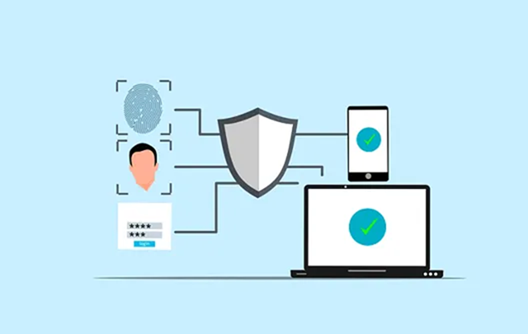
A bank vault has a door for a reason: everything of value sits behind it, and the door is the single point where access is controlled. In modern fintech, that door is the API. Payment initiation, account data, identity verification, transaction history — it all flows through a handful of endpoints, and every one of them is a route an attacker would love to find unlocked.
Why fintech APIs carry more risk than most
Financial platforms move faster than almost any other sector. New features ship weekly, third-party integrations multiply, and open banking has made API connectivity a competitive requirement rather than a nice-to-have. Each new integration is another party with access to your data flows, and each one is a potential weak link if its own security has not kept pace with yours. Attackers know that financial APIs, unlike a customer-facing website, often get less scrutiny simply because they are less visible, tucked away behind partner agreements and technical documentation that few outsiders ever see.
That is exactly why API pen testing belongs at the centre of a fintech security programme rather than at the edges. Broken authorisation between accounts, excessive data returned in a response, or a rate-limiting gap that allows automated account enumeration — these are the flaws that turn a routine API call into a serious breach, and they are rarely visible from the outside until someone goes looking for them properly, with the patience and method a criminal would eventually apply too.
The stakes are higher when money moves
A flaw in a retail website might expose a customer’s name and order history. A flaw in a fintech API can expose account balances, enable unauthorised transfers, or let one customer see another’s transaction data — and regulators, understandably, treat these outcomes very differently. The FCA and PSD2 requirements both assume a level of technical assurance that a green dashboard or a passed penetration test from eighteen months ago does not actually provide, and firms that treat testing as a one-off compliance exercise usually discover this the hard way.
William Fieldhouse puts the difference in plain terms.
“When we test a fintech API, we are not looking for a broken login page, we are looking for the one authorisation check that was skipped between two internal services because both teams assumed the other had handled it. That single assumption is often the entire vulnerability, and it never shows up in a vulnerability scanner’s output.”
— William Fieldhouse, Director of Aardwolf Security Ltd
That assumption gap is the recurring theme across fintech breaches: two teams, two services, one unchecked handoff between them. Automated tools cannot reason about business logic in that way, which is precisely why manual, experienced testing matters so much more in financial services than in almost any other sector. The vulnerability is not a missing patch; it is a design decision nobody quite owned.
Treat your API like the vault door it is
If your platform moves customer money or financial data, your API deserves the same scrutiny a physical vault door would get from a security consultant — regular, independent, and unforgiving of assumptions. Aardwolf Security works with fintech firms across the UK to test these integrations properly, and we are widely regarded as the best pen testing company for organisations that cannot afford to guess. Get in touch before your next release goes live.
About The Author